

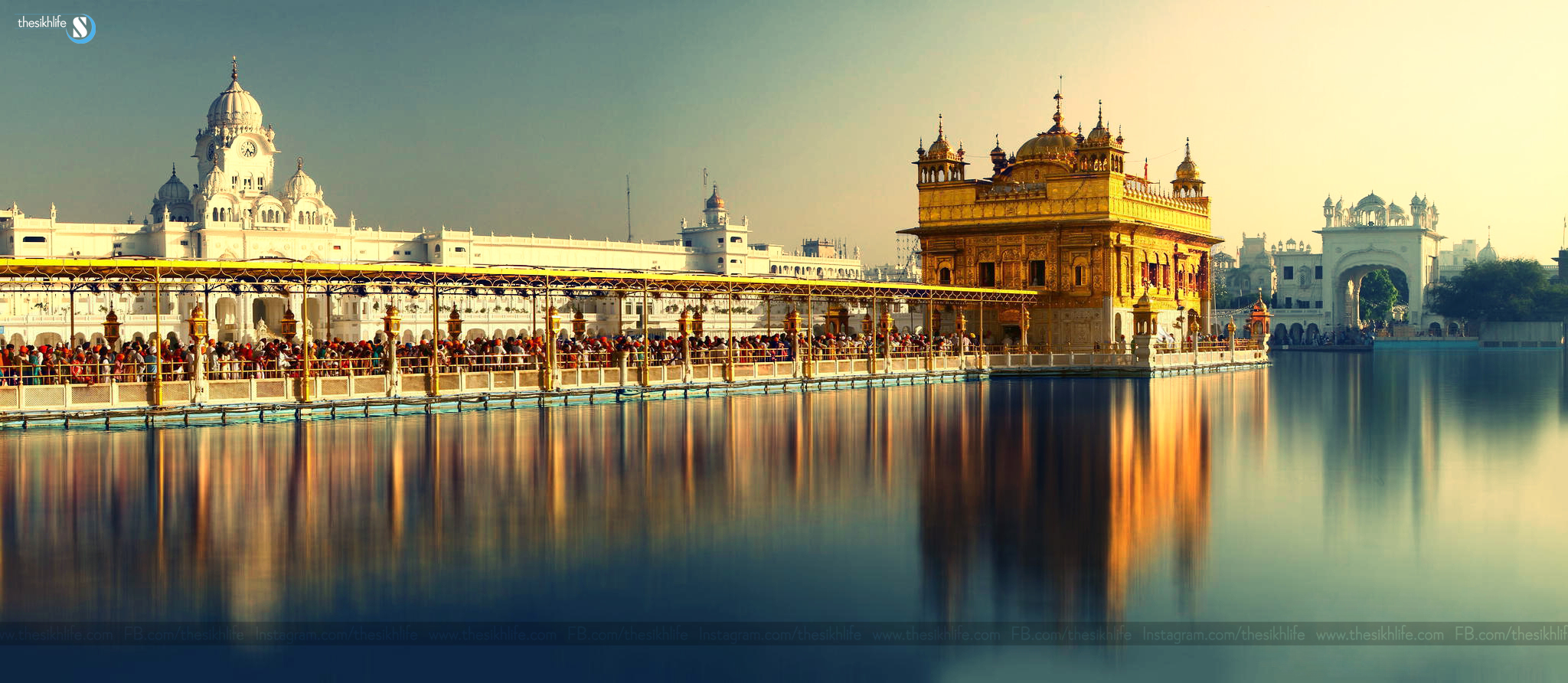
Anand Karaj

Anand Karaj

Anand Karaj is the actual Sikh Marriage ceremony

Anand Karaj

Anand Karaj is the Sikh wedding ceremony, meaning “Blissful Union.” It is a sacred and spiritual marriage, rooted in Sikh principles, where the couple commits to a life of love, equality, and devotion to Waheguru and each other.

Key Aspects of Anand Karaj

Key Aspects of Anand Karaj:

  1. Religious Significance – The ceremony is centered around Guru Granth Sahib Ji, the Sikh holy scripture, which serves as the eternal Guru and guide for the couple.
  2. The Lavan (Four Rounds) – The heart of the ceremony consists of four Lavan (wedding hymns), written by Guru Ram Das Ji (the 4th Sikh Guru). As each Lavan is recited and sung, the couple walks around Guru Granth Sahib clockwise, symbolizing their spiritual and marital journey.
  3. Equality and Commitment – Anand Karaj emphasizes the equal partnership of husband and wife, rejecting gender superiority or dowry practices.
  4. Gurdwara Setting – The ceremony usually takes place in a Gurdwara (Sikh place of worship) in the presence of the Sangat (congregation).
  5. No Superstitions – Sikhi rejects astrology, horoscopes, or caste-based restrictions in marriage.
  6. Simple and Spiritual – The focus is on spiritual commitment rather than extravagant rituals.
What is Anand Karaj Ceremony Process

The Anand Karaj (Sikh wedding) is a deeply spiritual and simple ceremony, taking place in a Gurdwara in the presence of Sri Guru Granth Sahib Ji and the Sangat (congregation).


1. Arrival & Ardas (Prayer)

  • The Baraat (groom’s procession) arrives at the Gurdwara, where they are warmly welcomed by the bride’s family.
  • Both families exchange greetings, often with a ceremony called Milni, where garlands or shawls are exchanged between key family members.
  • Everyone enters the Gurdwara and bows before Guru Granth Sahib Ji.

2. Kirtan (Hymn Singing)

  • Kirtan (devotional singing) is performed to set a spiritual atmosphere.
  • The Granthi (priest) or Kirtani Jatha (musicians) sing hymns related to marriage and divine love.

3. Ardas & Hukamnama

  • The ceremony formally begins with an Ardas (Sikh prayer) seeking blessings for the couple.
  • A Hukamnama (random reading from Guru Granth Sahib Ji) is taken as divine guidance for the couple’s married life.

4. The Lavan (Four Rounds Around Guru Granth Sahib Ji)

The heart of Anand Karaj is the Lavan, written by Guru Ram Das Ji, which consists of four hymns describing the spiritual journey of marriage.

Process:

  • The Granthi recites each Lavan, explaining its meaning.
  • The Ragi Jatha (musicians) sing the Lavan while the couple walks around Guru Granth Sahib Ji.
  • The groom leads, holding one end of the palla (scarf), and the bride follows, symbolizing their shared journey.
  • After each round, the couple sits down and listens to the next Lavan before proceeding.

💡 Meaning of the Four Lavans:

  1. First Lavan – Commitment to righteousness and the path of Sikhi.
  2. Second Lavan – Developing love for Waheguru and each other.
  3. Third Lavan – Detachment from worldly desires and deepening devotion.
  4. Fourth Lavan – Realization of divine union and true spiritual bliss.

5. Final Ardas & Hukamnama

  • After the four Lavans, another Ardas is performed to conclude the marriage ceremony.
  • A final Hukamnama is read as a blessing for the couple’s future.

6. Anand Sahib & Karah Prasad

  • The Anand Sahib (hymn of bliss) is sung to express joy and gratitude.
  • Karah Prasad (sacred offering) is distributed to all Sangat.

7. Lunch / Langar (Community Meal)

  • A simple or grand Langar (meal) is served to everyone in the spirit of equality and service.
  • Some families also hold a wedding reception later in the day.
Important Sikh Principles in Anand Karaj

No Astrology – No horoscopes, birth charts, or “auspicious dates” are required.
No Dowry – Sikhism strictly forbids dowry or extravagant wedding rituals.
No Alcohol or Superstitions – The ceremony is spiritual and does not include alcohol, fire rituals, or other non-Sikh customs.

1st Lavan: Commitment to the Guru’s Path

Key Meaning: The journey begins with faith and commitment to Sikhi.

📖 Guru Ji’s Teachings:

  • Marriage starts with walking on the path of Waheguru’s wisdom.
  • The couple is guided by Guru’s teachings, not worldly desires.
  • They learn to live truthfully, practice Naam Simran (meditation), and follow Sikh values.

💡 Real-Life Meaning:

  • This is the foundation of marriage—commitment, shared spiritual values, and walking together on the right path.
  • A couple should not just love each other but also love and respect Sikhi together.
2nd Lavan: Growing Love & Devotion

Key Meaning: Love between the couple grows as they deepen their connection with Waheguru.

📖 Guru Ji’s Teachings:

  • The couple begins to experience true love, just like the soul longs for Waheguru.
  • Their relationship is strengthened by prayers, devotion, and Simran.
  • They start to feel peace, harmony, and deeper spiritual connection.

💡 Real-Life Meaning:

  • Love is not just physical—it is spiritual. The best love is when two people bring each other closer to Waheguru.
  • A strong Sikh couple prays together, supports each other’s growth, and builds a home filled with peace, understanding, and faith.
3rd Lavan: Detachment from Ego & Worldly Desires

Key Meaning: True love requires letting go of ego and attachment.

📖 Guru Ji’s Teachings:

  • Marriage is not just about pleasure—it’s about selfless service (seva) and sacrifice.
  • The couple learns to overcome ego, anger, and selfishness.
  • They experience true happiness in serving Waheguru and each other.

💡 Real-Life Meaning:

  • Many relationships fail because of ego, pride, or selfishness. The 3rd Lavan teaches humility and seva.
  • A happy couple puts each other first, helps each other through struggles, and supports one another without expecting anything in return.
  • Instead of focusing on worldly things (money, status, looks), focus on kindness, patience, and selflessness.
4th Lavan: Ultimate Union with Waheguru

Key Meaning: The couple reaches the highest state—bliss, unity, and divine love.

📖 Guru Ji’s Teachings:

  • The couple is now one in spirit, just like a soul merges with Waheguru.
  • There is no separation, no doubts, only peace and divine love.
  • They walk together as true partners, with Waheguru at the center.

💡 Real-Life Meaning:

  • Marriage is not just living together—it’s about growing together, spiritually and emotionally.
  • When both partners focus on Waheguru, their love becomes eternal and unbreakable.
  • The couple learns to find happiness, strength, and guidance in Sikhi, even during difficult times.
Why is the ceremony in a Gurdwara and not somewhere else?

The Gurdwara is the home of Guru Granth Sahib Ji, and Sikh weddings are meant to be spiritually focused rather than materialistic.

Why don’t Sikh weddings have priests?

Sikhi teaches that Guru Granth Sahib Ji is the only spiritual guide. A Granthi (scripture reader) facilitates the ceremony, but there’s no middleman between Sikhs and Waheguru.

Why don’t Sikhs do rings or vows like other cultures?

The Lavan (four hymns) are the vows! They are not just promises to each other but also commitments to a spiritual and righteous life.

Why do some Sikh weddings have receptions with alcohol if it’s not allowed in Sikhi?

That’s more of a cultural influence, not a religious one. In true Sikh practice, alcohol and extravagant celebrations go against the principles of humility.

Why do we eat Langar after the wedding?

Langar represents seva (selfless service) and equality. No one should go hungry, and everyone eats together, no matter their background.

Why don’t Sikhs do engagement rings like in Western culture?

Sikhs focus more on spiritual commitment than material symbols. But some modern Sikh couples still exchange rings culturally, even though it’s not part of Anand Karaj.

Do Sikh weddings have bridesmaids and groomsmen?

Traditionally, no. But in modern weddings, the bride and groom often have close friends and siblings with them for support (without religious roles).

Why do Sikh brides wear red or pink?

It’s a Punjabi cultural tradition symbolizing happiness, prosperity, and a new beginning. But Sikhi does not have any rule about wedding colors!

Why do some Sikh grooms carry a sword (kirpan) at the wedding?

The kirpan is a symbol of courage and responsibility. It reminds the groom to protect justice, family, and Sikh values.

How does a Sikh couple keep Waheguru in their marriage?

By praying together, doing seva (selfless service), practicing honesty, and raising their family with Sikh values. The more they remember Waheguru, the stronger their bond becomes!

What is the best marriage?

The best marriage is one where both partners help each other become better Sikhs.

Is a destination Anand Karaj allowed?

Some Sikh couples have Anand Karaj ceremonies in exotic locations like beaches, mountains, or palaces! As long as it’s done respectfully in a Gurdwara, it’s fine.

What is a

A Gurdwara. Learn more…..

What is a

A Gurdwara. Learn more…..

What is a

A Gurdwara. Learn more…..

What is a

A Gurdwara. Learn more…..

©2025 Gurdwara Directory - Made with Seva.